Vocal for Local: Make in India
What happens when you choose products made in India? Group A2 of Class 5A researched it, taught it to the class and tested what everyone learned.
Start exploringSee the class evidence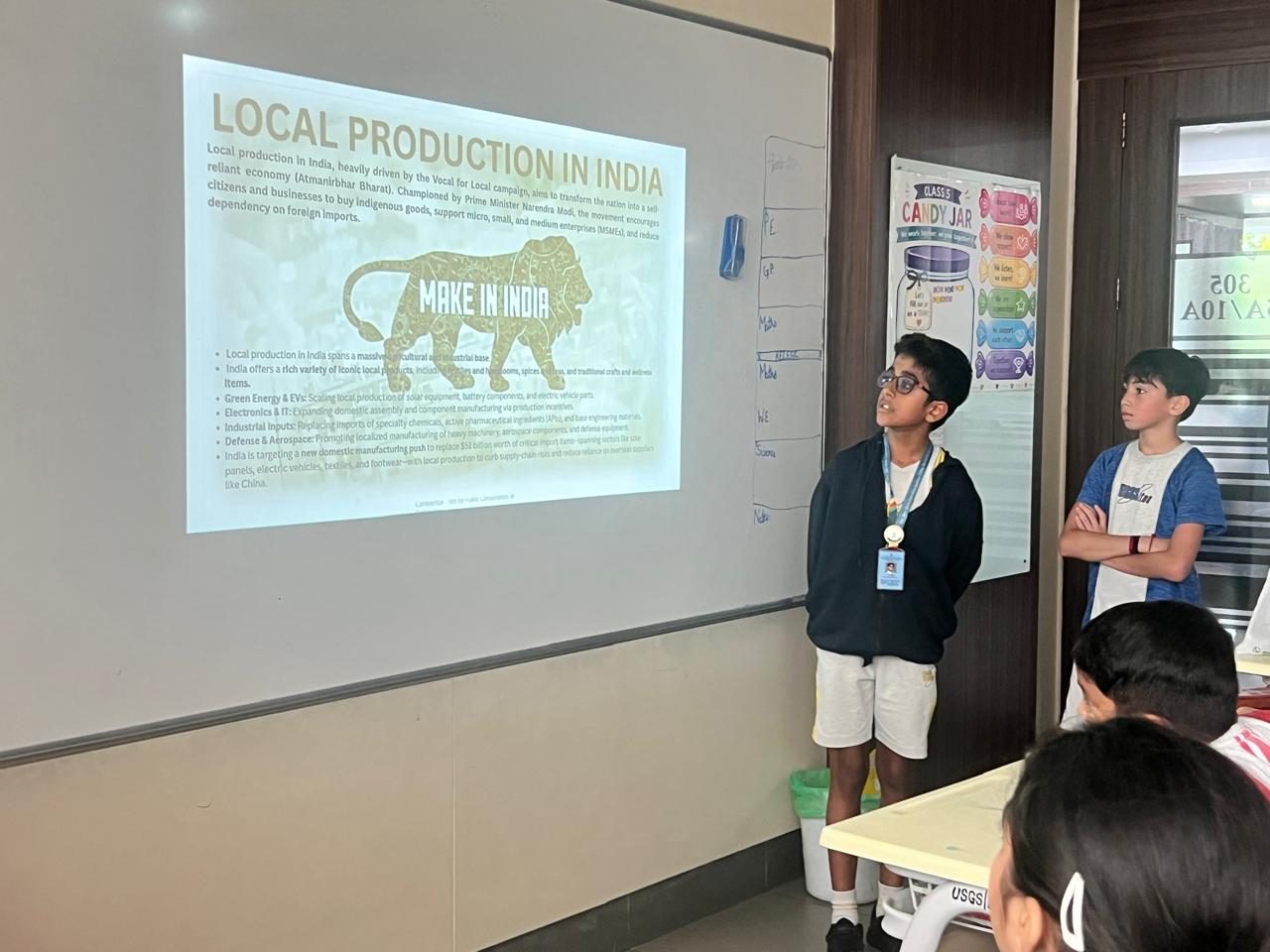
What happens when you choose products made in India? Group A2 of Class 5A researched it, taught it to the class and tested what everyone learned.
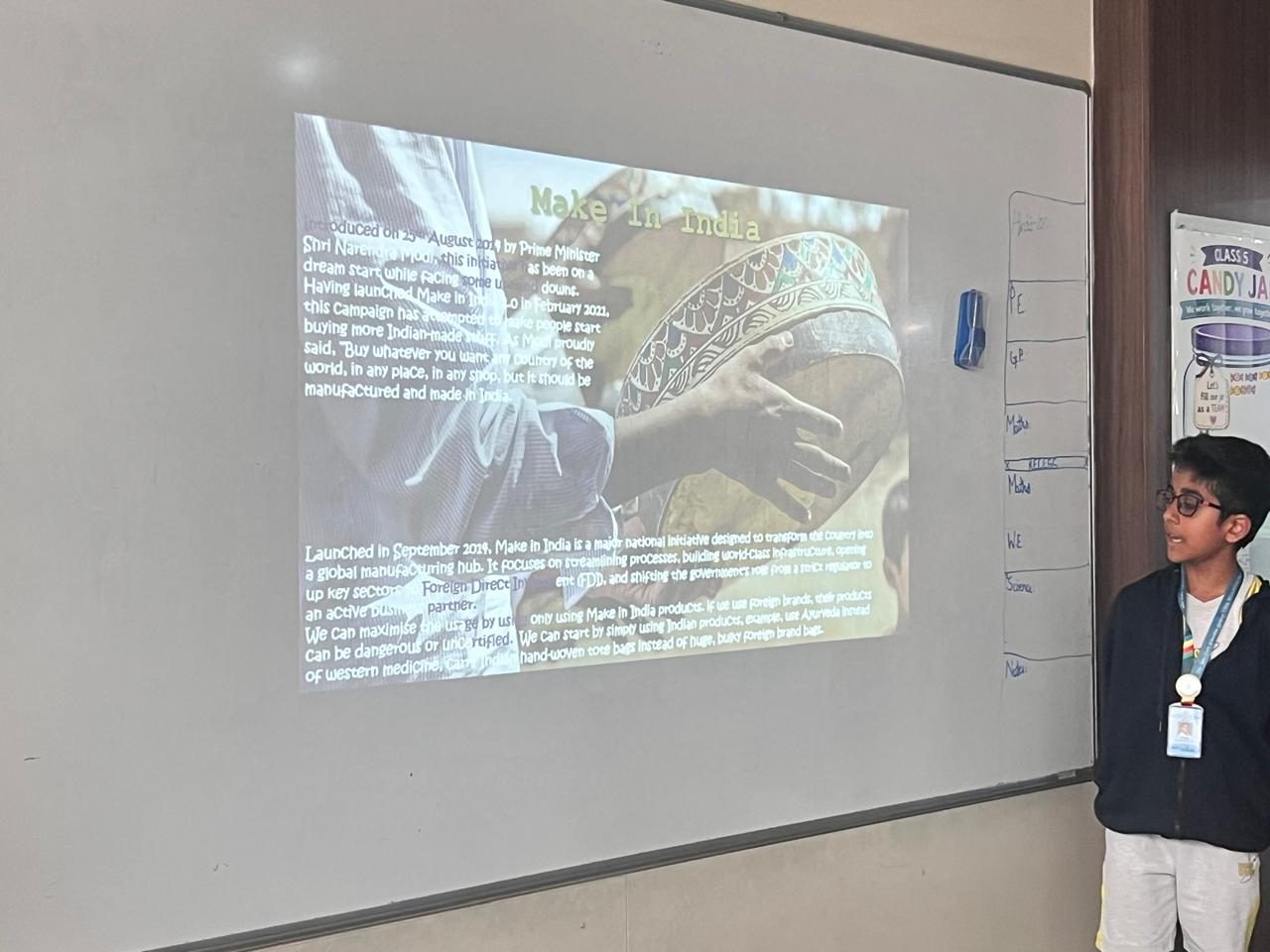
Start exploringSee the class evidenceOn 25 September 2014 at Vigyan Bhavan, New Delhi, Prime Minister Narendra Modi launched Make in India. The big idea: make India a global manufacturing hub.
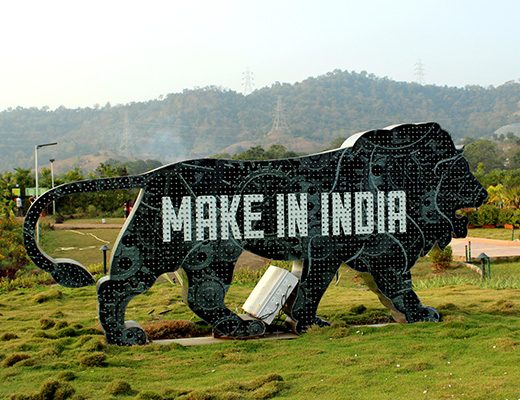
A national plan to build world-class factories and roads, open key industries to foreign investment, and make the government a partner to business instead of only a rule-maker.
A new phase, Make in India 2.0, followed in 2021 to get more people choosing Indian-made products.
Buy whatever you want, from any country, in any shop, but it should be made in India.
Check labels and look for the Indian-made option. Try an Ayurvedic home remedy for a mild cold, and carry a hand-woven tote bag instead of a big-brand bag.
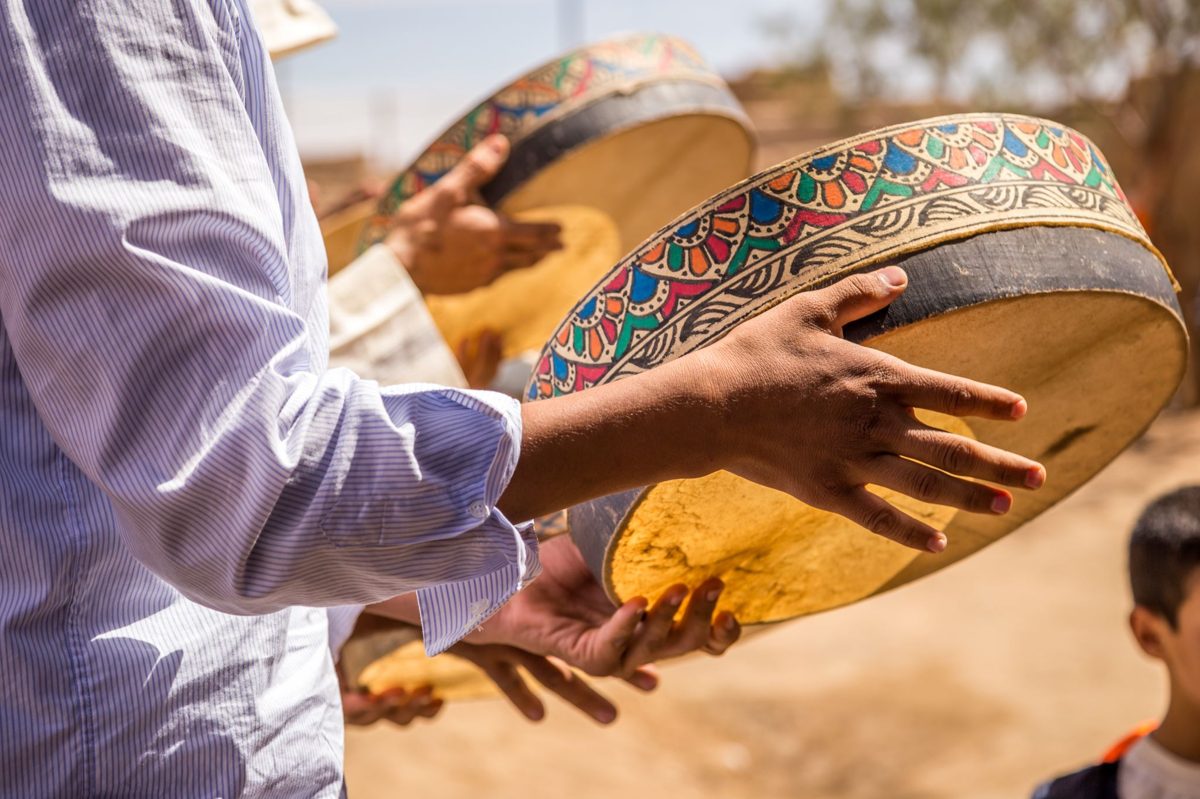
Vocal for Local asks all of us to buy Indian goods and support small businesses (MSMEs). The goal is Atmanirbhar Bharat: a self-reliant India that depends less on imports.
Handlooms, spices, teas, traditional crafts and wellness products.
Solar equipment, batteries and electric vehicle parts made at home.
More phones and gadgets assembled in India, with parts made here too.
Special chemicals, medicine ingredients and basic engineering materials.
Heavy machinery, aircraft parts and defence equipment built locally.
India aims to replace about $51 billion of imported items, including solar panels, EVs, textiles and footwear.
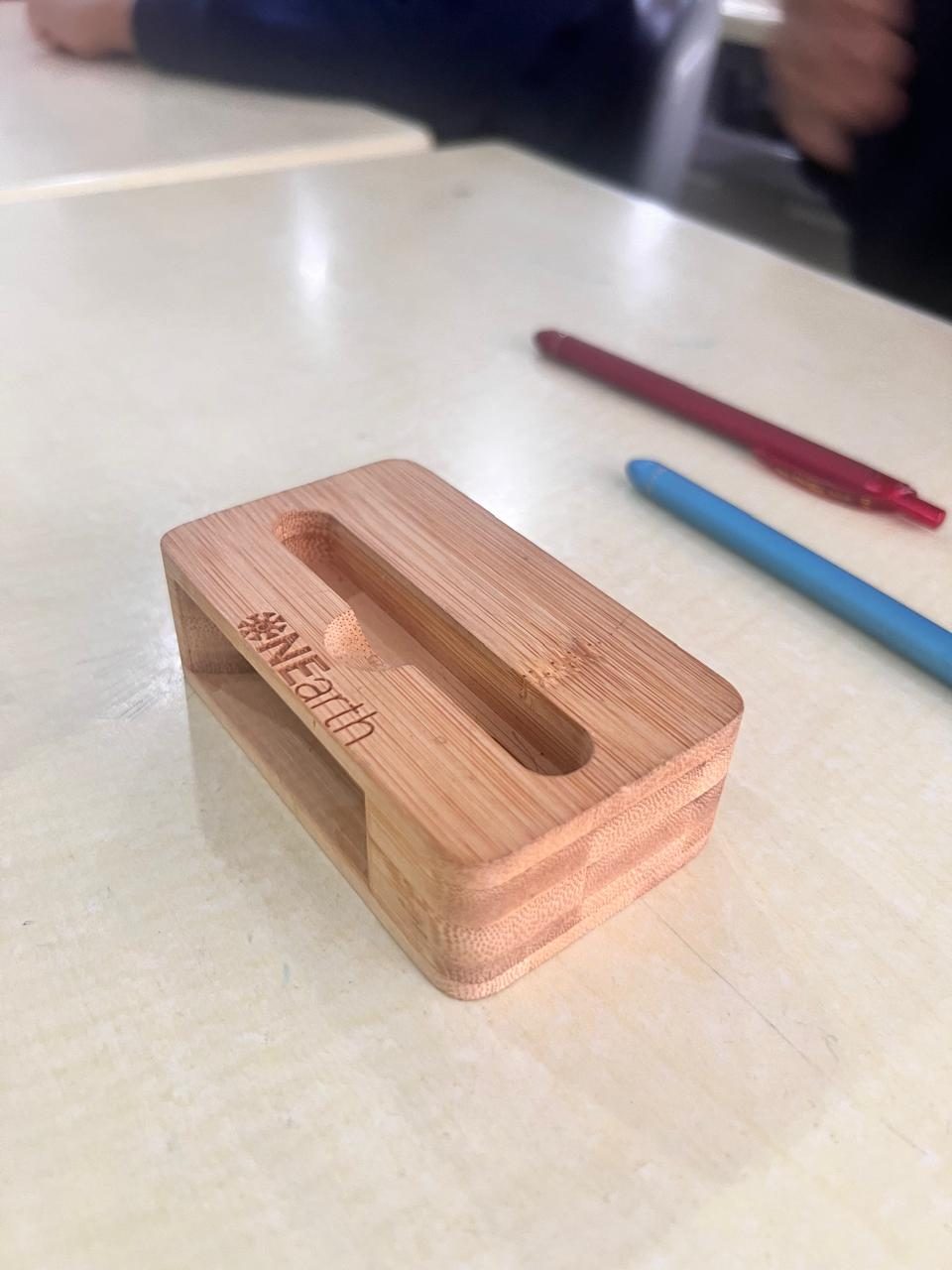
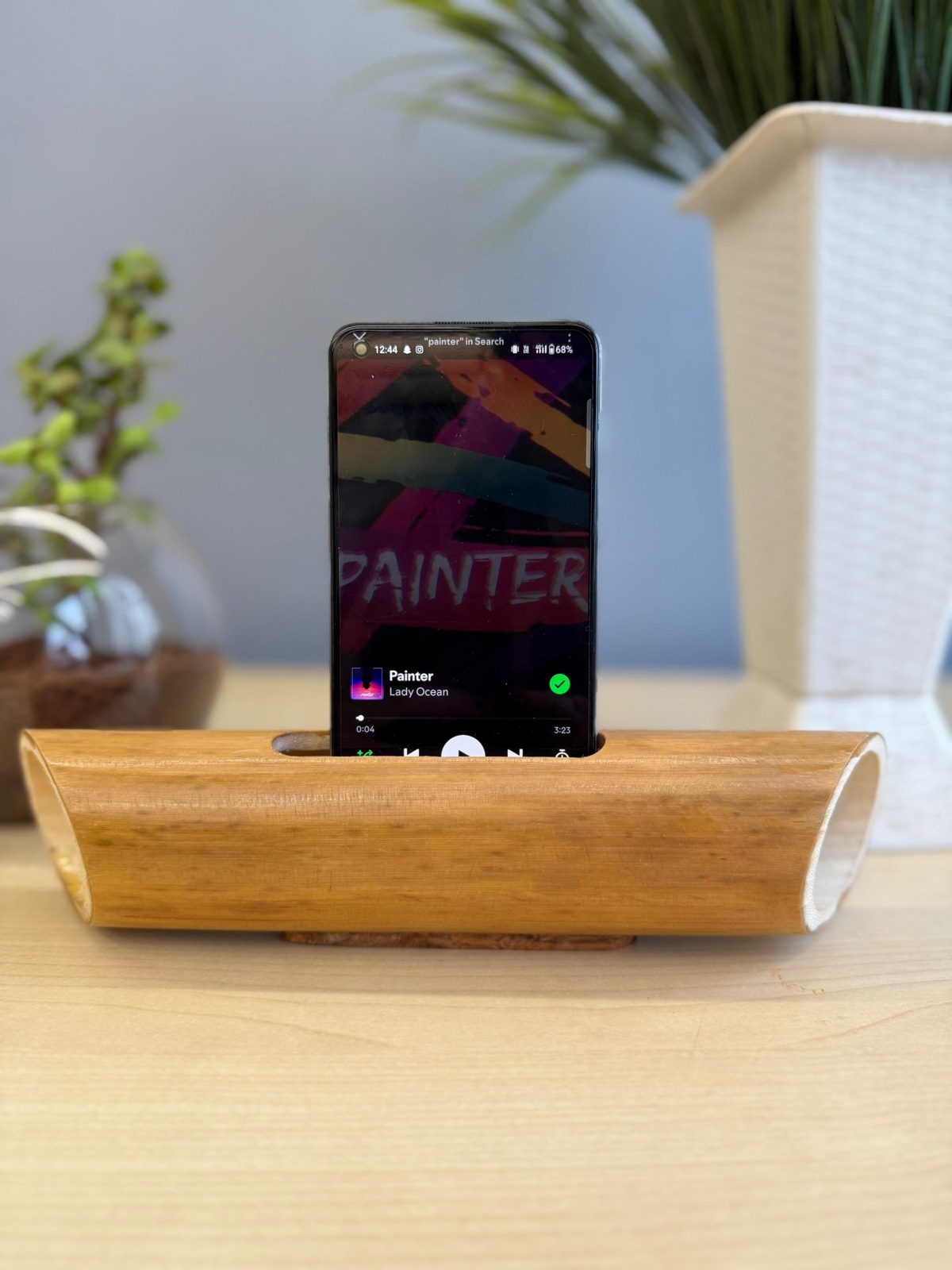
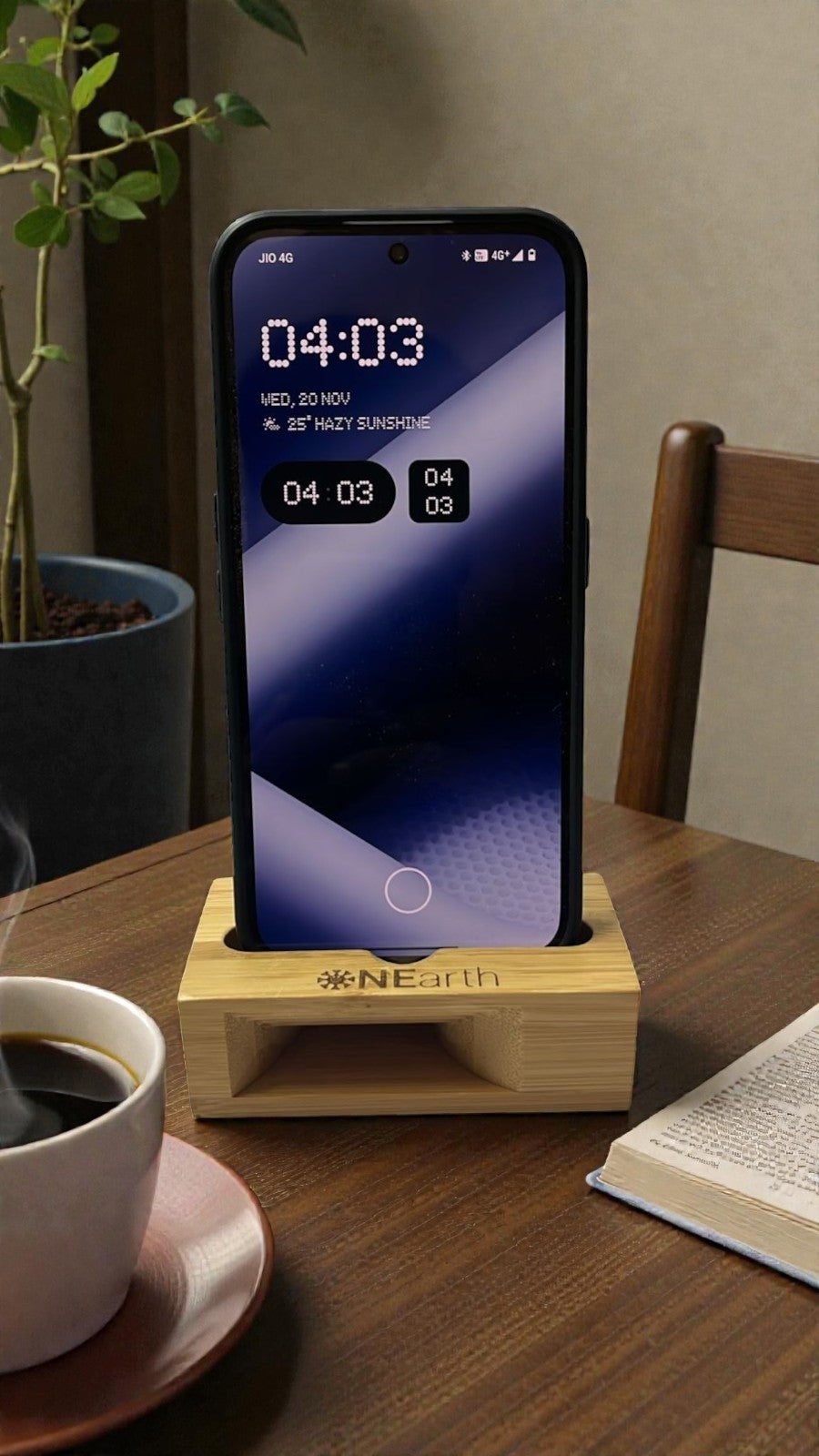
One of our team brought a real bamboo speaker to class. It needs no electricity or battery.
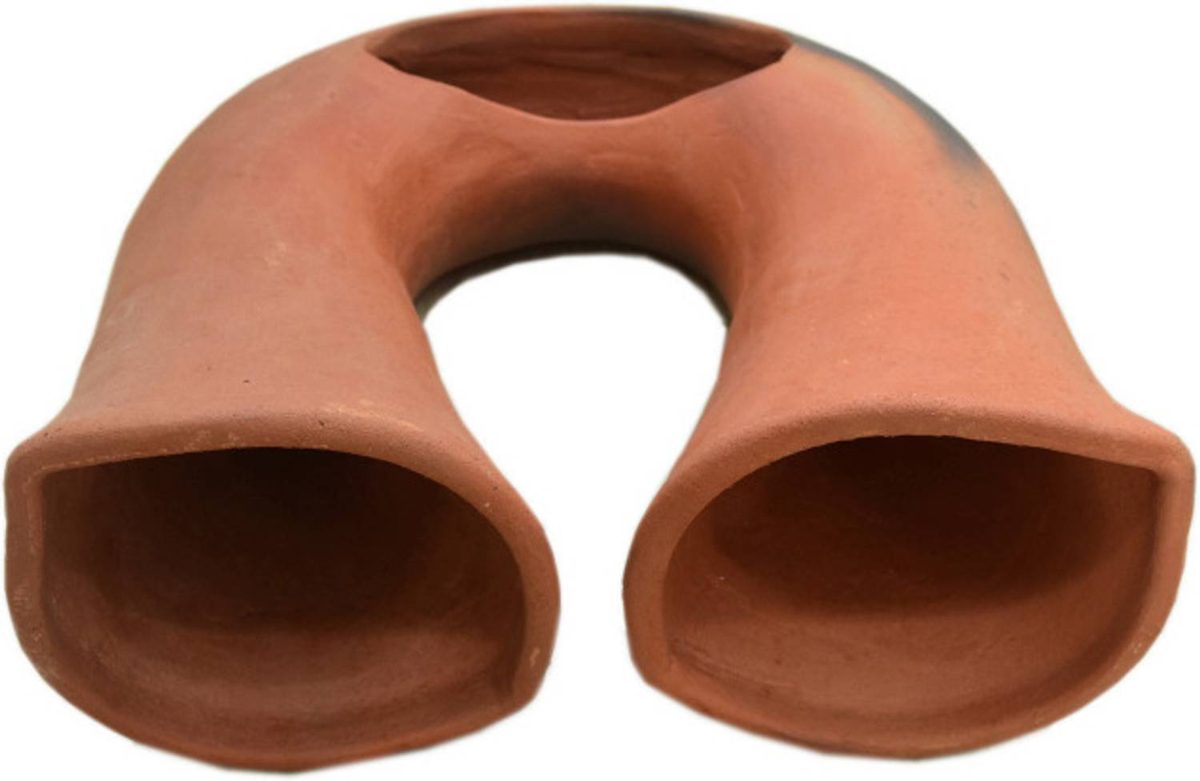
A carved bamboo or clay stand. You rest your phone in the slot and the sound travels through a hollow chamber.
A warm, natural sound that is louder than the phone alone. It is not as loud as an electric speaker.
Bamboo grows fast, is strong and is a skill of Indian craftspeople.
No power, no battery waste and no plastic. Each one is handmade.
Craft shops, handicraft fairs and online stores that sell Indian handmade goods.
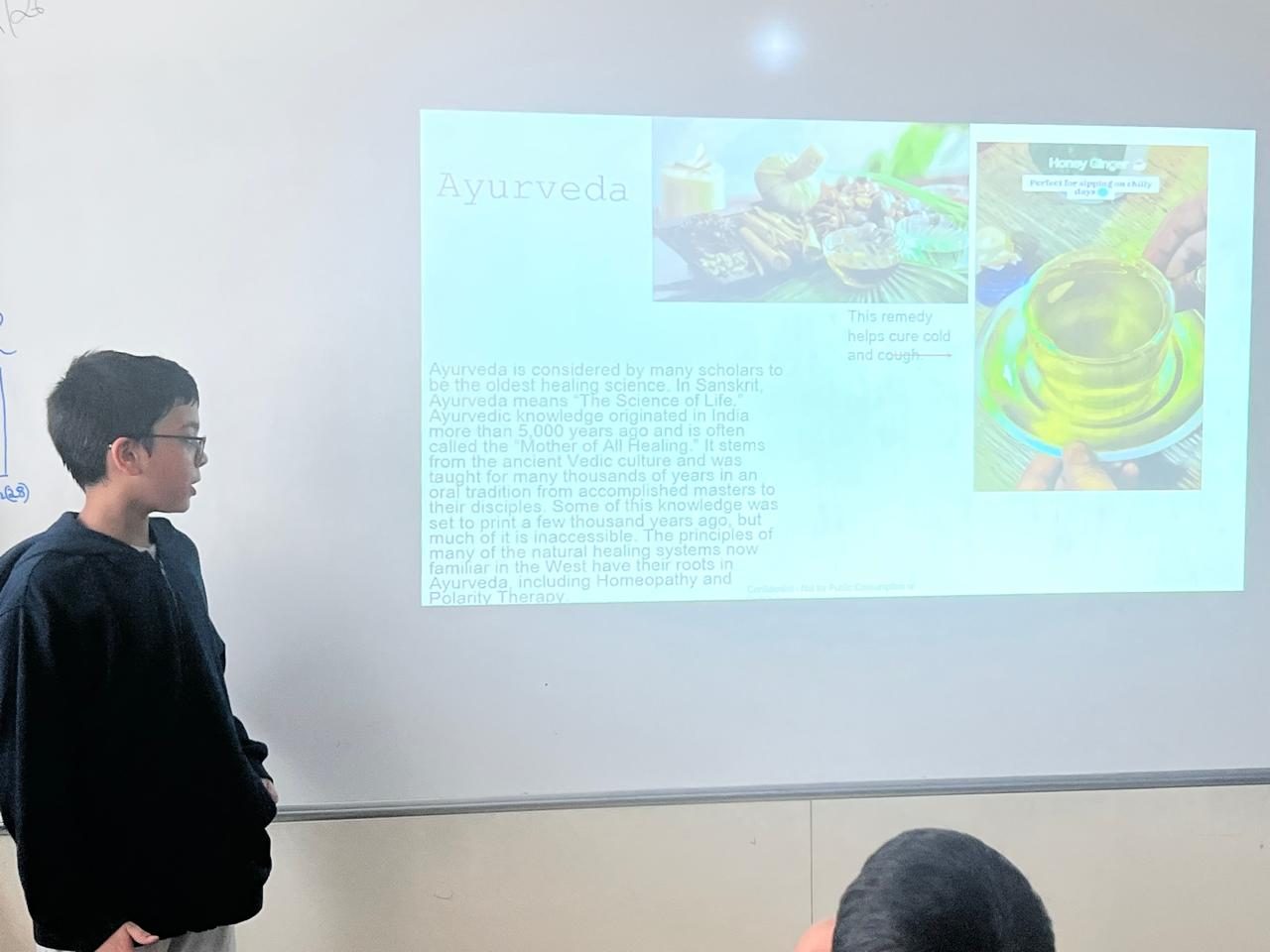
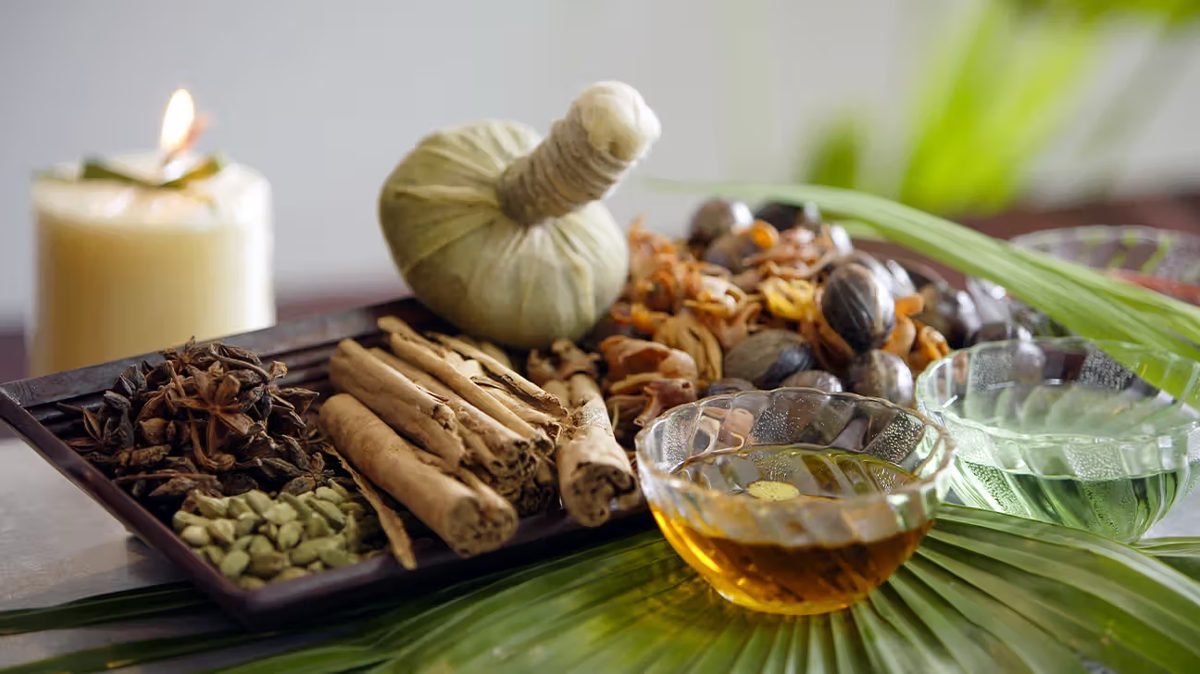
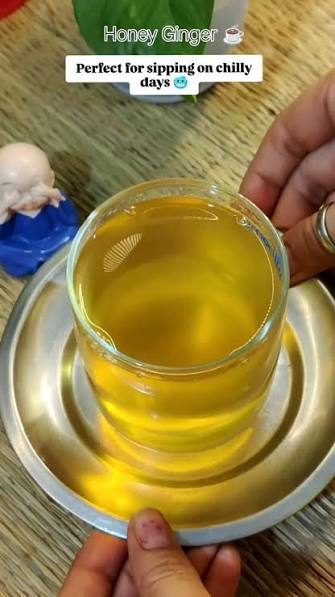
Ayurveda means "The Science of Life" in Sanskrit. Many scholars call it one of the oldest healing systems in the world.
It began in India around 5,000 years ago in the Vedic culture. For thousands of years, masters taught it to students by speaking, before it was written down.
Sipping it on chilly days is a classic home remedy for a cold and cough. For anything serious, see a doctor.
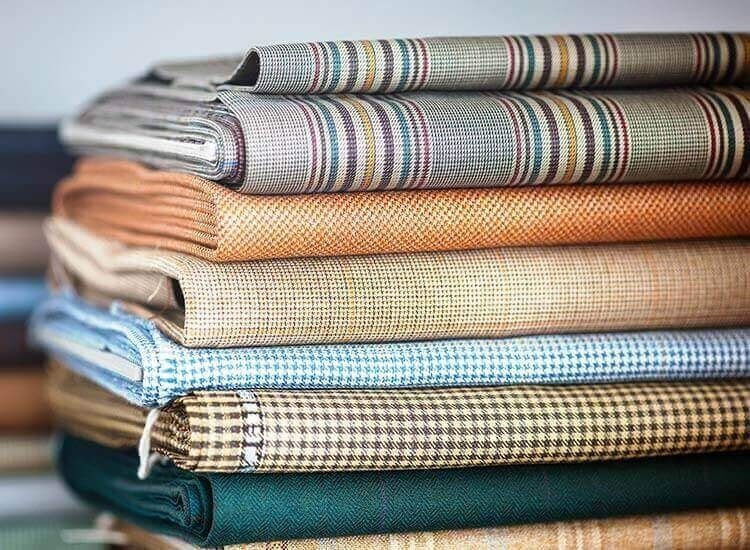
Buying local fabric supports nearby weavers, keeps old craft skills alive and avoids long-distance shipping. Look for hand-woven saris, shawls, kurtas and dhotis in your local market.
A nearly extinct royal textile with gold zari, resist-dyeing and hand-painted kalamkari.
A double ikat where cotton yarn is treated with oil and ash before dyeing.
Double ikat silk that takes months of precise resist-dyeing.
A handwoven cotton tapestry. Very few living weavers remain.
Coarse wool rugs woven by nomadic communities.
A mixed fabric with a silk outside and a cotton inside.
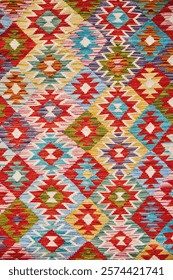
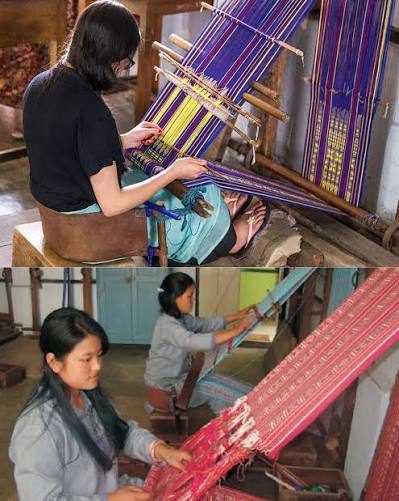
Weavers at the Directorate of Handloom and Handicraft, Gangtok, Sikkim.
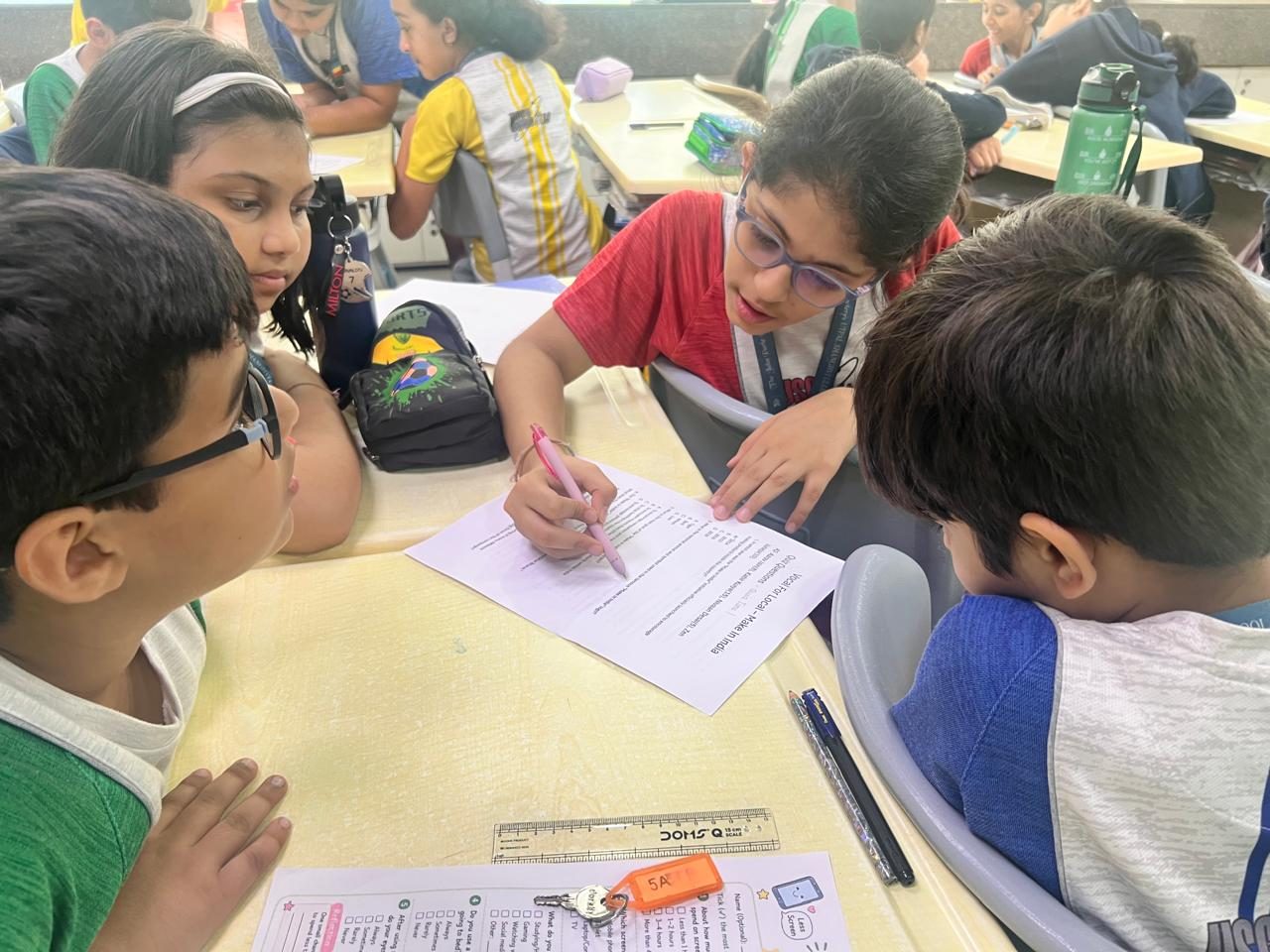
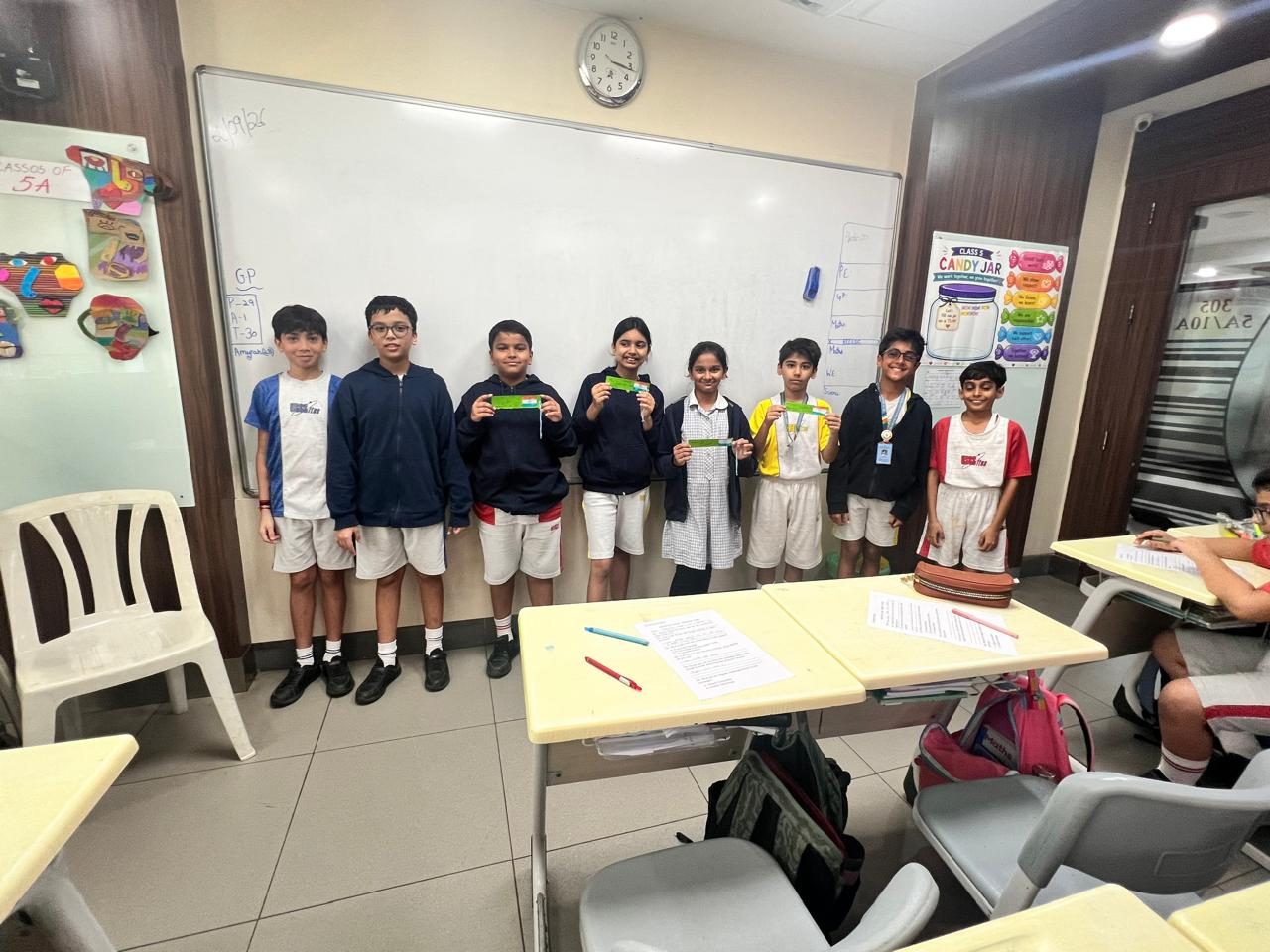
Group A2 presented to Class 5A, showed a real bamboo speaker, and gave the class a quiz and survey.